Tourist visa photo
35 x 45 mm
Also written as 3.5 x 4.5 cm. Some embassy checklists ask for two color photos.
Thailand visa photo requirements 2026 depend on the route you use. Tourist visa and eVisa applications commonly use a 3.5 x 4.5 cm photo, while Visa on Arrival and eVOA use a 4 x 6 cm photo. Use a plain white background, a recent front-facing photo, and the exact upload or print instruction shown by the Thai embassy, eVisa portal, or eVOA provider.
Tourist visa photo
Also written as 3.5 x 4.5 cm. Some embassy checklists ask for two color photos.
VOA / eVOA photo
Also written as 4 x 6 cm. Use this taller print or upload route for visa on arrival workflows.
Background
Keep the background solid white, evenly lit, and free of shadows, texture, patterns, and objects.
Photo age
Most Thai route guidance says within 6 months; some local embassy checklists can ask for a newer photo.
Match the size to your exact application route before you print or upload. The official portal or embassy checklist remains the final instruction.
| Visa Type | Photo Size | Quantity | Format |
|---|---|---|---|
| Tourist Visa | 35mm x 45mm | 2 | Printed / Digital |
| eVisa | 35mm x 45mm | 1 upload | Digital |
| Visa on Arrival | 40mm x 60mm | 1 | Printed |
| eVOA | 40mm x 60mm | 1 upload | Digital |
Use the route below that matches your application, then confirm the final upload or print instruction in the official portal handling your file.
Use a 3.5 x 4.5 cm photo for the standard tourist visa route unless the Thai embassy or consulate processing your file gives a different checklist. Many tourist visa checklists ask for two recent color photos.
Use a sharp JPG/JPEG photo in a 3:4 portrait crop, plain white background, and clear front-facing composition. Compress only after cropping, then follow the file-size limit shown inside the Thai eVisa portal.
Prepare one printed 4 x 6 cm passport-style photo. Carry an extra copy if you are applying at an airport or land border, because photo-booth access can vary by entry point.
Prepare a digital 4 x 6 cm portrait photo. BLS eVOA guidance lists at least 472 x 709 px, with the head around 70% of the photo height and no distracting shadows.
Upload a selfie and our AI will automatically crop, size, and replace the background to meet 100% of government requirements.
Route-specific rules for tourist visas, eVisa uploads, Visa on Arrival, eVOA, Indian applicants, backgrounds, face position, and dress.
Tourist visa
For a Thailand tourist visa, the commonly accepted photo size is 3.5 cm x 4.5 cm. Use a recent color photo with a clean white background and a passport-style crop.
eVisa upload
Thailand eVisa photo upload requirements focus on a clear 3:4 portrait photo that is ready to be placed on the visa. The official portal or embassy route has the final upload limit.
Visa on Arrival
Thailand Visa on Arrival uses the taller 4 cm x 6 cm photo size. This is different from the 35 x 45 mm tourist visa photo, so do not bring only generic passport photos.
eVOA
Thailand eVOA photo specifications use the same 4 x 6 cm portrait format as Visa on Arrival, but the file is uploaded digitally before travel.
India focus
For Indian travelers, the photo standard follows the Thailand application route, not the applicant nationality. The important choice is whether you are preparing a tourist/eVisa photo or a VOA/eVOA photo.
Background
Use a plain white background only unless your exact route says otherwise. Background problems are easy to miss and are one of the fastest ways to trigger a resubmission.
Face and dress
The photo should look like a clean biometric travel-document photo: centered, neutral, and easy for officers or upload systems to identify.
Run these checks before uploading to the official portal or bringing prints to an appointment.
Use 3.5 cm x 4.5 cm, plain white background, neutral expression, direct eye contact, no shadows, and a recent photo. Keep the face around 70-80% of the photo height.
Upload a clear JPG/JPEG in portrait orientation with a solid white background. Avoid filters, beauty edits, scans of old prints, and heavy compression that makes the face blurry.
Use 4 cm x 6 cm for VOA. Bring one printed photo and keep extra copies for safety, especially when arriving during busy travel periods.
Indian applicants should normally prepare 35 x 45 mm photos for tourist or eVisa routes and 40 x 60 mm for VOA/eVOA. Keep the ears visible where possible and move hair away from the face.
Compare a clean visa-style image with a common rejection setup before taking your own photo.
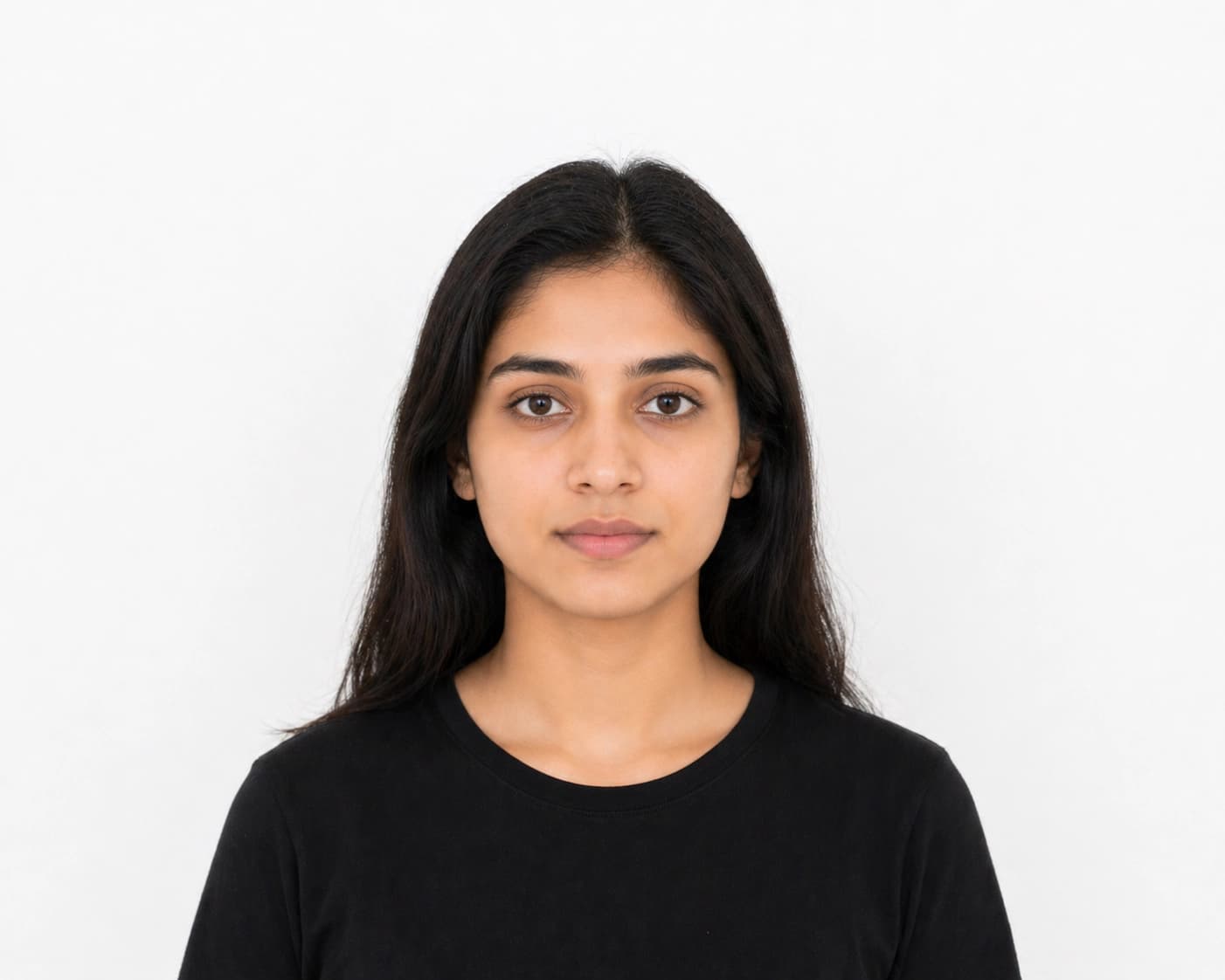
Plain white background, face centered, neutral expression, eyes open, no shadows, and clothing that contrasts with the background.
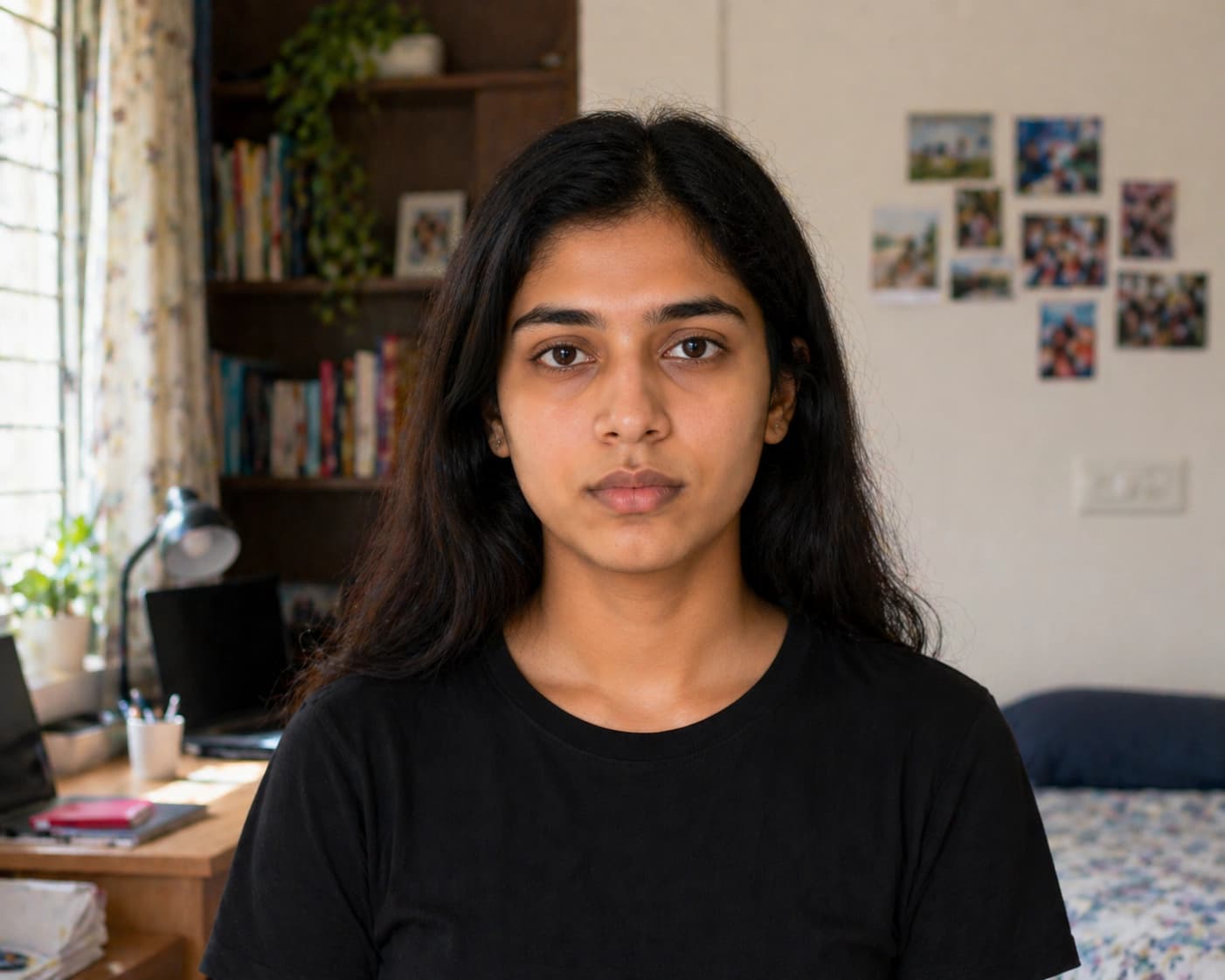
Busy room background, visible objects, uneven lighting, and a setting that does not meet the plain white background rule.
Use these steps before exporting through VisaReadyNow for the exact route size and upload target.
Use a clean white wall or backdrop with no texture, objects, frames, or shadows behind you.
Face a window or other even front light. Avoid flash glare, harsh side light, and shadows on the face.
Ask someone else to take the photo from straight ahead. Do not use a close selfie angle.
Use 35 x 45 mm for tourist visa or eVisa, and 40 x 60 mm for Visa on Arrival or eVOA.
For eVisa or eVOA upload, resize and compress the final JPG/JPEG to the portal limit without making it blurry.
Do not mix up 35 x 45 mm tourist/eVisa photos with 40 x 60 mm VOA/eVOA photos. Pick the route first, then crop.
Retake the photo if the face, eyes, or hairline look soft. Heavy compression can also make a digital upload fail.
Use a neutral expression, direct eye contact, eyes open, and mouth closed.
Use a plain white background with no patterns, furniture, wall texture, or shadow outline behind the head.
Use a recent photo, normally within 6 months. Retake it sooner if your appearance has changed or your embassy checklist asks for a 3-month photo.
Avoid beauty filters, AI face changes, skin smoothing, color filters, and any edit that changes your real appearance.
Answers for the search query: thailand visa photo requirements 2026
The Thailand tourist visa and standard eVisa photo size is 35 x 45 mm, also written as 3.5 x 4.5 cm. Thailand Visa on Arrival and eVOA use 40 x 60 mm, also written as 4 x 6 cm.
Use a 3.5 cm x 4.5 cm photo for a Thailand tourist visa unless the Thai embassy or consulate processing your application gives a different checklist.
Thailand Visa on Arrival uses a 4 cm x 6 cm printed photo. Carry at least one photo and consider keeping an extra copy for safety.
Thailand eVOA uses a 4 x 6 cm digital portrait photo. BLS eVOA guidance lists at least 472 x 709 px and about 70% head height.
Use a clear JPG/JPEG portrait photo with a 3:4 crop, solid white background, front-facing face, high resolution, and no filters or retouching. Follow the file-size limit shown by the eVisa portal.
Thailand eVisa file-size limits can be portal-specific. If your upload field shows a 120-150 KB cap, compress the final JPG/JPEG after cropping while keeping the face sharp.
No. Keep a neutral expression, mouth closed, eyes open, and look directly at the camera.
Preferably do not wear glasses. If glasses are unavoidable, there must be no glare and the frames must not cover the eyes, but removing them is the safer choice.
Use a plain solid white background with even lighting, no shadows, no texture, no patterns, and no objects behind you.
Most Thailand visa photo routes expect a photo taken within the last 6 months. Some local embassy checklists can ask for a photo not older than 3 months, so check the exact route.
The photo rules depend on the Thailand visa route, not nationality. Indian travelers commonly need 35 x 45 mm for tourist/eVisa routes and 40 x 60 mm for VOA/eVOA.
Yes. Use a phone or camera at eye level, stand against a plain white background, use even light, keep a neutral expression, and crop to the exact Thailand route size before uploading or printing.
Upload the original image, pick the country, and export a portal-ready or print-ready file after the crop and background are checked.
This page is reviewed and maintained by the VisaReadyNow Compliance Team against official government sources. Last reviewed 2026-04-29. VisaReadyNow is an independent SaaS tool and is not affiliated with any government agency. Always follow the instructions from the embassy, consulate, or visa-application center handling your application.